
Description
Product Overview
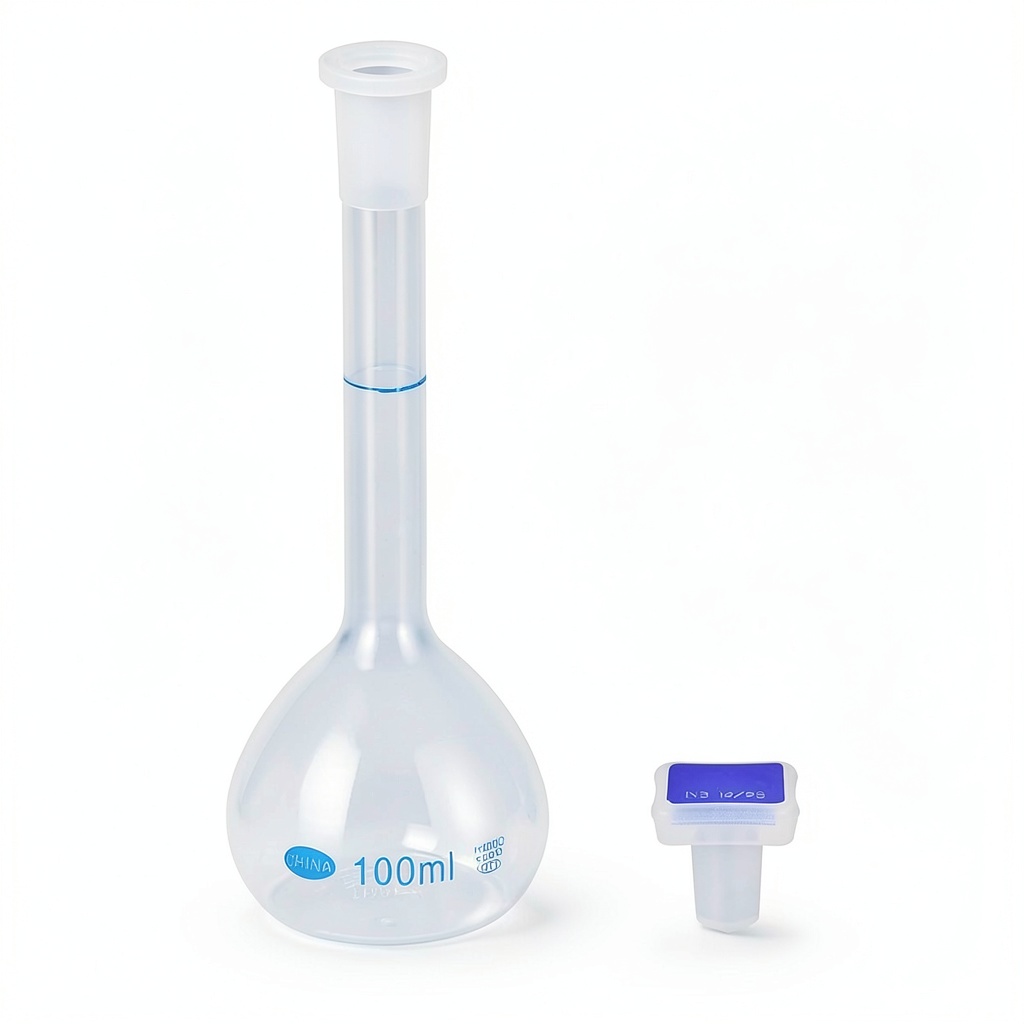
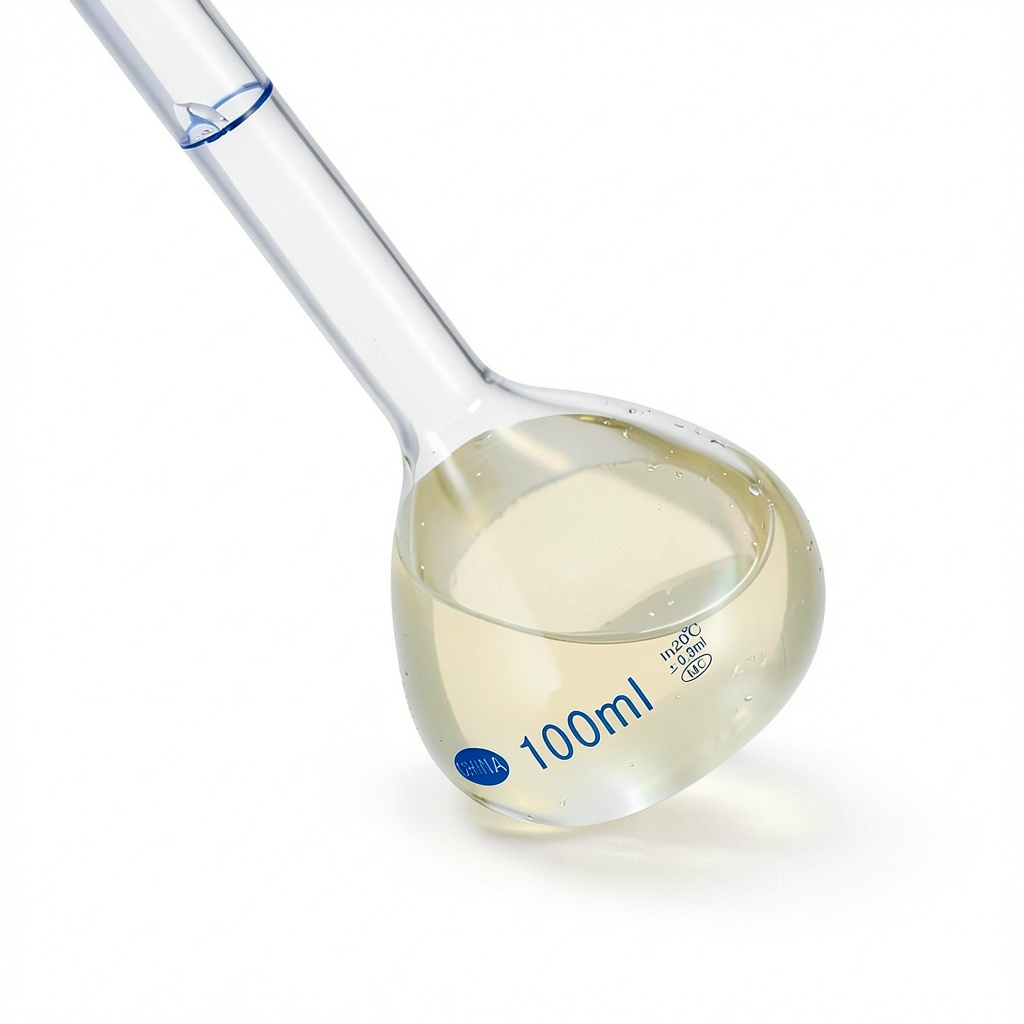
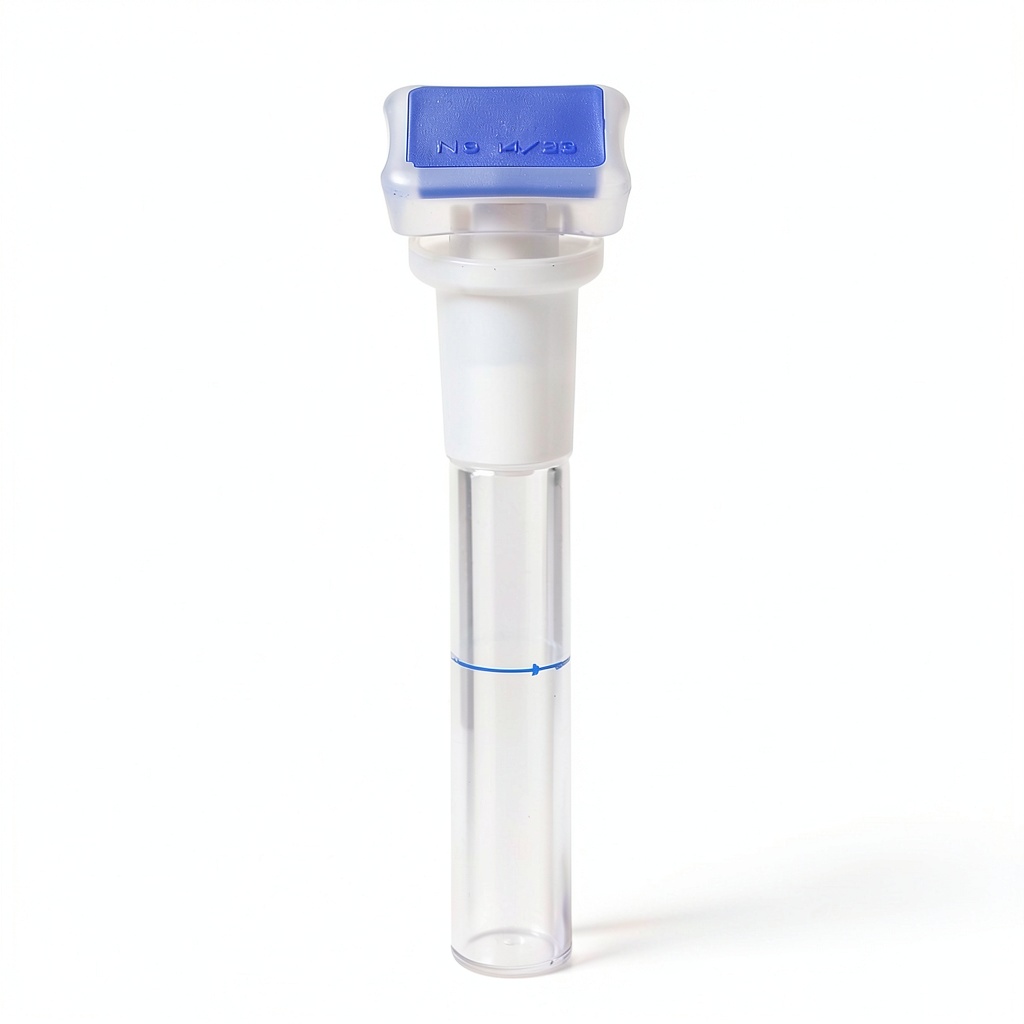
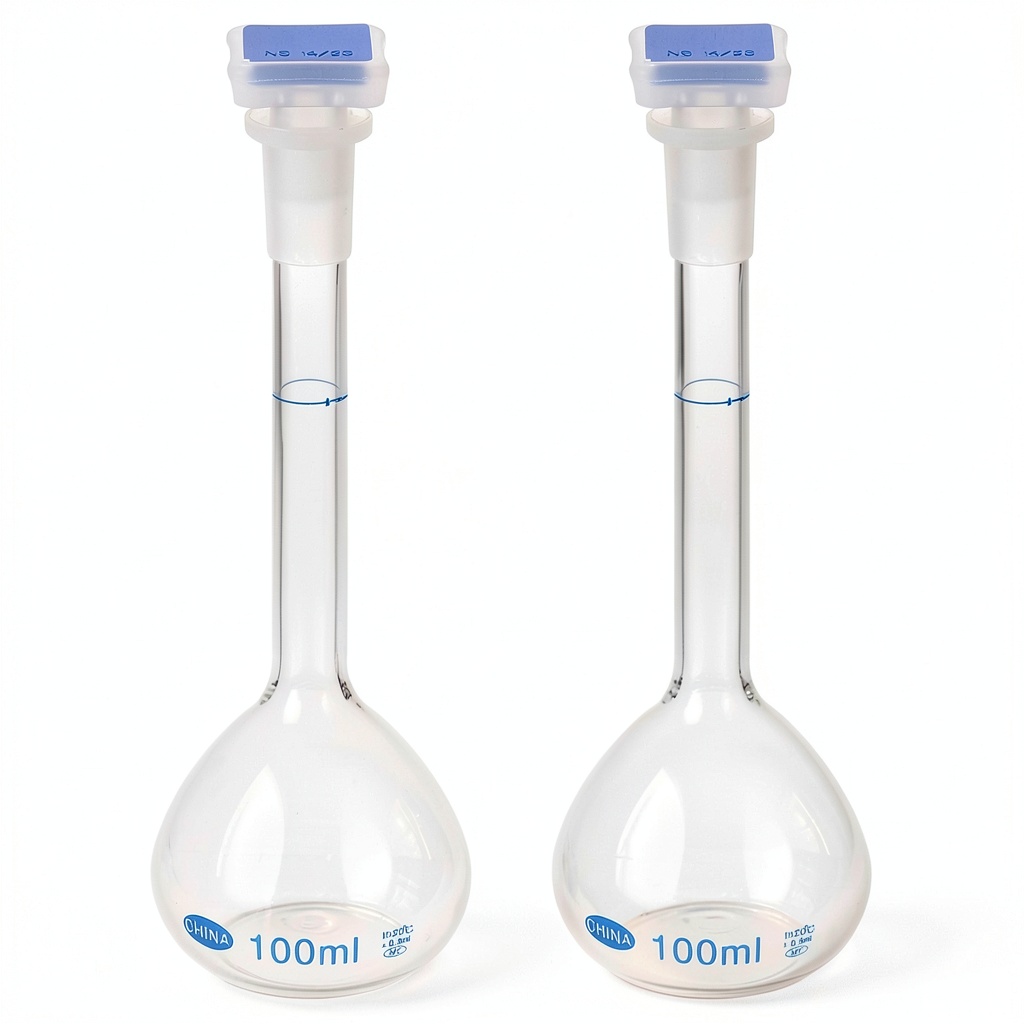
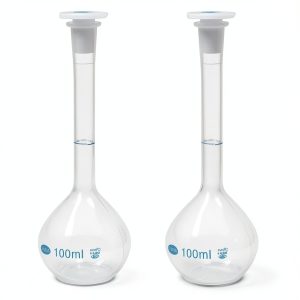
The PATIKIL 100ml Volumetric Flask set is engineered for precision and durability in demanding laboratory environments. Each flask is fabricated from high‑quality translucent polypropylene, a polymer known for its excellent chemical resistance, impact tolerance, and clarity that allows easy visual inspection of liquid levels. The graduated markings are calibrated to deliver a tolerance of ±0.3 ml at a standard temperature of 20 °C, ensuring that quantitative measurements remain reliable across a wide range of analytical procedures. The flasks feature a 14.5 mm outer diameter neck that accommodates a snug‑fitting plastic plug cap, preventing evaporation and contamination while providing a secure seal during shaking or transport. With a capacity of 100 ml (approximately 3.4 oz) and a compact footprint of 7 cm height by 2.4 cm diameter, the design balances sufficient volume for routine assays with space‑saving storage. The set includes two identical flasks, allowing users to perform parallel experiments, duplicate calibrations, or maintain a spare unit for continuous workflow.
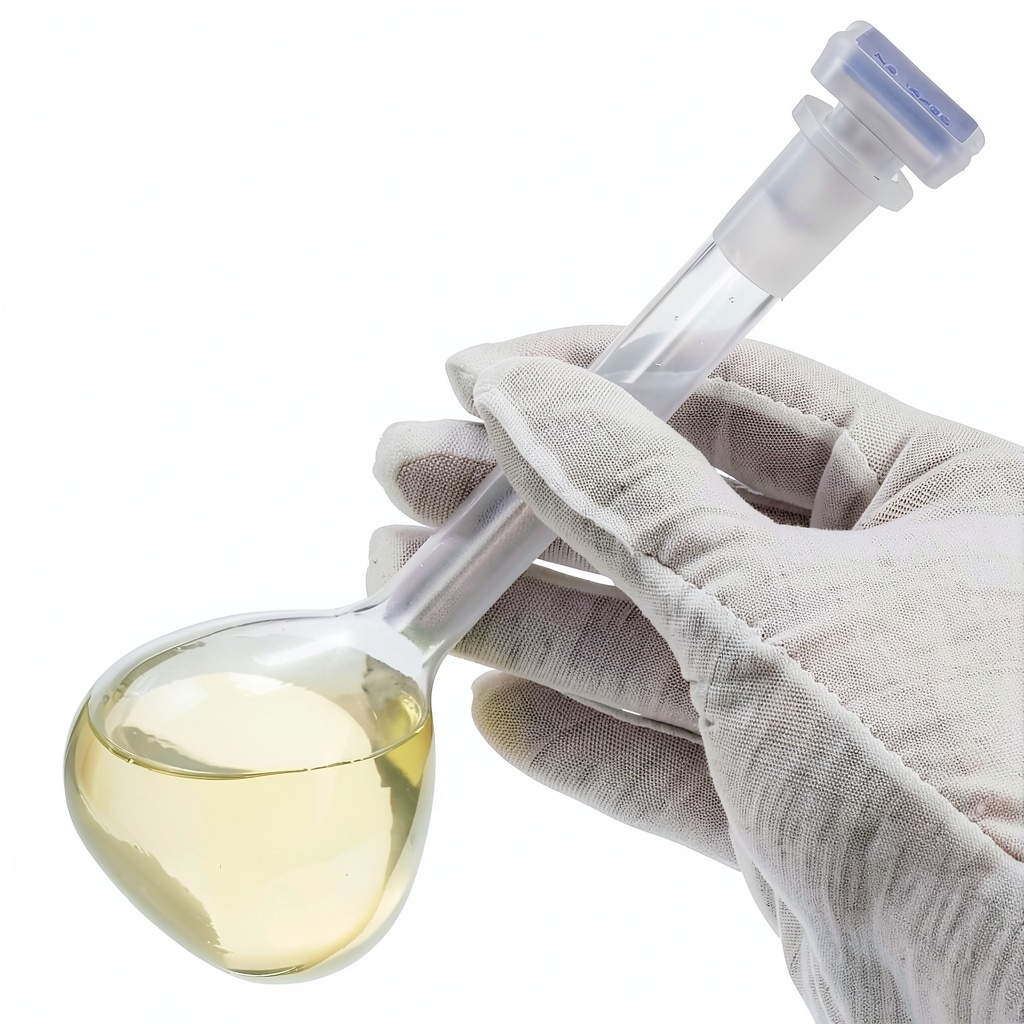
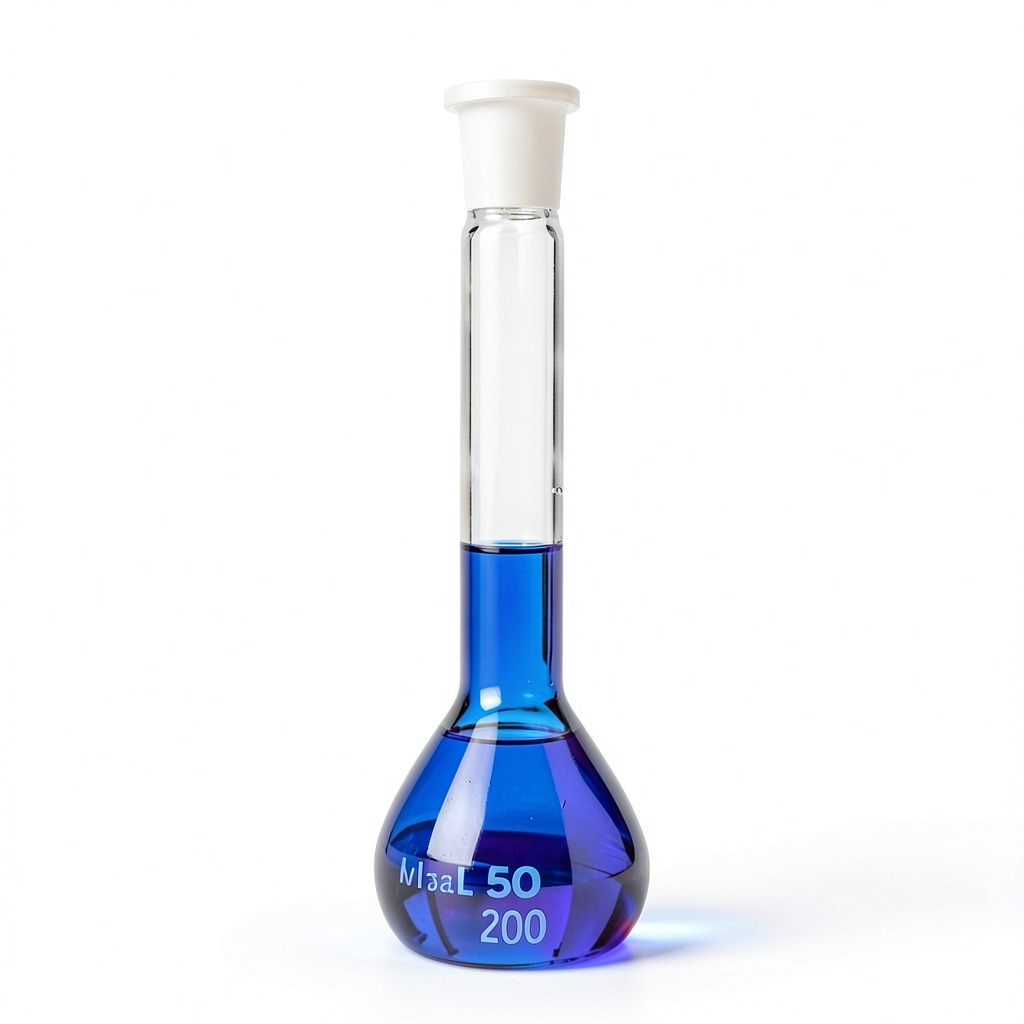
The translucent appearance of the polypropylene body offers a visual advantage over traditional glassware, as users can quickly assess the presence of bubbles, precipitates, or color changes without the need for additional lighting. Unlike glass flasks, these containers are shatter‑proof, reducing the risk of breakage during routine handling, centrifugation, or accidental drops. The material also tolerates a broad spectrum of solvents, acids, and bases commonly encountered in chemistry, biology, and environmental testing labs, making the flasks a versatile tool for titration, standard preparation, and solution mixing. The included plug caps are manufactured from compatible polypropylene, providing a chemically inert barrier that resists degradation from aggressive reagents. The caps feature a simple push‑fit design that can be easily removed for cleaning and re‑installed without the need for torque tools, streamlining turnaround time between experiments.
The technical specifications of each flask are precisely engineered to meet laboratory standards. The overall dimensions measure 7 cm in height and 2.4 cm in outer diameter, with a neck outer diameter of 14.5 mm that aligns with standard laboratory glass rod dimensions. The graduated scale is printed with high‑contrast ink that resists fading even after repeated cleaning cycles, ensuring long‑term readability. The flasks are supplied in a compact 2‑piece pack, each protected by an individual polyethylene sleeve to guard against surface scratches during shipping. The packaging includes a clear label indicating capacity, tolerance, and safety instructions, facilitating quick identification on crowded bench tops. Compliance with ASTM and ISO guidelines for volumetric glassware is achieved through calibrated manufacturing processes, giving confidence that the flasks will perform consistently across multiple batches.
The ergonomic design of the PATIKIL flask incorporates a smooth, rounded lip that facilitates controlled pouring and reduces the risk of spillage. The translucent body allows users to monitor the meniscus directly, improving the precision of volume readings without the need for auxiliary equipment. Unlike glass flasks, these containers are shatter‑proof, reducing the risk of breakage during routine handling, centrifugation, or accidental drops. The material also tolerates a broad spectrum of solvents, acids, and bases commonly encountered in chemistry, biology, and environmental testing labs, making the flasks a versatile tool for titration, standard preparation, and solution mixing. The included plug caps are manufactured from compatible polypropylene, providing a chemically inert barrier that resists degradation from aggressive reagents. The caps feature a simple push‑fit design that can be easily removed for cleaning and re‑installed without the need for torque tools, streamlining turnaround time between experiments.
Usage
The flasks are ideally suited for academic teaching laboratories, research institutions, and industrial quality‑control facilities where reproducibility and safety are paramount. In a typical chemistry class, students can employ the 100 ml volume to prepare standard solutions, perform dilution series, or conduct gravimetric analyses, benefiting from the clear markings and reliable tolerance. In a pharmaceutical quality‑control setting, technicians rely on the consistent volume to verify assay concentrations, calibrate equipment, or validate cleaning procedures. The robust polypropylene construction also makes the flasks appropriate for field work, such as environmental sampling of water or soil extracts, where transport conditions may be rough and glassware would be impractical. The plug caps enable secure sealing during shaking, vortexing, or short‑term storage, preventing spillage and exposure to hazardous chemicals.
Because the flasks are lightweight (approximately 0.88 oz each) they can be easily handled with one hand, reducing fatigue during repetitive tasks. The design encourages the use of a glass stirring rod when pouring, as recommended in the manufacturer’s instructions, to control flow and avoid splashing. When mixing reagents, users are advised to close the cap tightly and invert the flask gently, ensuring thorough homogenization without introducing air bubbles. The flasks can also be placed in standard laboratory racks, incubators, or refrigerators, as the polypropylene material tolerates temperatures from –20 °C up to 120 °C, expanding their applicability across a range of experimental conditions.
Proper cleaning and maintenance are essential to preserve the accuracy of the volumetric flasks. After each use, the flasks should be rinsed with deionized water to remove residual reagents, followed by a gentle wash with a mild detergent if organic residues are present. The plastic plug caps can be removed and cleaned separately, ensuring that no buildup occurs at the sealing interface. Once cleaned, the flasks must be air‑dried or placed in a drying oven set below 60 °C to avoid deformation of the polypropylene. For applications requiring sterility, the flasks are compatible with autoclave cycles up to 121 °C for short durations, although prolonged exposure may affect the tolerance slightly. Regular inspection for scratches, clouding, or cap wear is recommended; any compromised unit should be retired to maintain analytical integrity.
The 100 ml volume aligns with the input requirements of many analytical instruments, such as spectrophotometers, chromatographs, and automated liquid handling systems. The flasks can be placed directly into standard sample racks or holders without modification, streamlining sample preparation workflows. For spectroscopic measurements, the clear polypropylene walls permit sufficient light transmission in the visible range, allowing qualitative observations while maintaining chemical compatibility. When used with balance stations, the flasks’ lightweight nature reduces the load on the scale, improving response time and accuracy. The plug caps are designed to be compatible with common sealing adapters, enabling integration with vacuum filtration setups or gas‑tight connections when needed.
Why Choose Us
Choosing the PATIKIL 100ml Volumetric Flask set means selecting a product that combines scientific accuracy with practical resilience. The polypropylene material outperforms traditional glass in terms of impact resistance, eliminating the costly downtime associated with broken glassware. Each flask undergoes rigorous quality control checks to verify graduation accuracy, cap fit, and material integrity, ensuring that every unit meets the stated tolerance of ±0.3 ml. PATIKIL’s commitment to sustainable manufacturing is reflected in the reusability of the flasks; unlike disposable plastic containers, these flasks can be cleaned, sterilized, and redeployed for countless cycles, reducing laboratory waste and environmental footprint. The brand also provides responsive customer support, offering technical assistance, replacement parts, and guidance on best practices for maintenance and calibration.
In addition to durability, the flasks deliver visual clarity that aids rapid assessment of solution homogeneity, color, and phase separation, features that are especially valuable during time‑critical procedures such as titration end‑point detection. The inclusion of two flasks per package adds value for laboratories that require duplicate measurements or a backup unit, enhancing workflow continuity. PATIKIL’s extensive experience in laboratory consumables ensures that the product complies with industry standards for chemical resistance and dimensional stability, making it a trustworthy choice for regulated environments. Moreover, the straightforward design minimizes the learning curve for new users, allowing students and technicians to focus on experimental objectives rather than equipment handling complexities.
PATIKIL backs each purchase with a comprehensive after‑sales service program. Customers can register their product online to receive a digital copy of the calibration certificate and access a library of troubleshooting guides. In the unlikely event of a manufacturing defect, the company offers a replacement policy within 30 days of purchase, covering shipping costs for both the returned and replacement units. Technical support engineers are available via email or phone to answer queries related to measurement accuracy, cleaning protocols, or compatibility with specific chemicals. This level of support reduces downtime and reinforces confidence that the laboratory’s critical measurements are backed by a reliable supplier.
Sustainability is a core principle of PATIKIL’s product development strategy. By selecting a reusable polypropylene platform, the company reduces reliance on single‑use glass or disposable plastic containers, thereby decreasing laboratory waste streams. The manufacturing process incorporates recycled polypropylene where feasible, and the packaging is optimized for minimal material usage while still providing adequate protection. Users who prioritize green laboratory practices can report a measurable reduction in their carbon footprint by adopting these flasks, as the extended lifespan of each unit translates into fewer replacement purchases over time. PATIKIL also publishes lifecycle assessments for its products, offering transparency to environmentally conscious customers and supporting institutional sustainability reporting.
Key Features
- High‑grade translucent polypropylene provides chemical resistance and shatter‑proof durability, extending the flask’s service life while protecting users from breakage hazards.
- Graduated scale calibrated to ±0.3 ml tolerance at 20 °C ensures precise volume measurements for a wide range of laboratory applications.
- Secure polypropylene plug cap creates an airtight seal, preventing evaporation, contamination, and spillage during shaking or short‑term storage.
- Lightweight design (0.88 oz each) reduces hand fatigue and enables easy one‑hand operation, ideal for repetitive tasks and field work.
- Patikil offers responsive after‑sales support, including technical assistance, replacement policy, and access to calibration documentation for reliable long‑term use.
FAQ
Can these flasks be used with organic solvents?
Yes. The polypropylene construction is compatible with most organic solvents, acids, and bases commonly used in laboratory protocols. It resists degradation and maintains its tolerance when exposed to these chemicals.
What is the recommended cleaning procedure?
Rinse the flask with deionized water after each use, then wash with a mild detergent if needed. Remove the plug cap for separate cleaning, air‑dry or place in a drying oven below 60 °C, and inspect for any damage before reuse.
Are the flasks suitable for autoclaving?
The flasks can withstand short autoclave cycles up to 121 °C, but prolonged exposure may slightly affect the ±0.3 ml tolerance. It is advisable to limit autoclave time and allow the flasks to cool gradually.
How does the tolerance compare to glass volumetric flasks?
The ±0.3 ml tolerance at 20 °C meets the accuracy requirements of many standard laboratory procedures and is comparable to many glass volumetric flasks, while offering the added benefits of impact resistance and chemical durability.
Reviews
There are no reviews yet.